FLOPUTER
FLOPUTER is the follow up project to the TRIPUTER. The name is a short form of "Flo(ppy Com)puter". In Summer 2025 the idea came up to use floppy drives for the BBC computer and the Ceres-3 system. My thinking is that it maybe more interesting to see at an exhibition a computer with old-style floppy drives than systems will all the flash stuff. The PC532 of TRIPUTER is not available in FLOPUTER. This system must use a SSD.
It was no question which drive technology to use: 5¼ inch drives are rare now. And the disks are too big. 3½ inch drives are using 5V only which can be delivered by the FPGA board. Of course to use an external floppy disc controller like the WD1770 was not an option. There is a powerful FPGA and this can do the job as well.
FLOPUTER is able to let the BBC and the Ceres-3 computer also work from a FAT32 formatted SD card. New BBC software from the internet uses also the path via the SDC.
The BBC uses single density floppies with 200kByte on each side. This FM format is simple. Unfortunately work on the interface took its time. I intended to realize MFM as well to enable floppy operation also for the Ceres-3. But for the VCFe event I run out of time. It will be done later.
In principle it should be possible to modify the BBC software to use MFM disks with 720kByte. This larger capacity would be a great advantage for the PanOS software of the NS32016 Second Processor. The size of the BBC disk program is 16kByte. This is not much and I think that it is doable. Or has someone already done it?
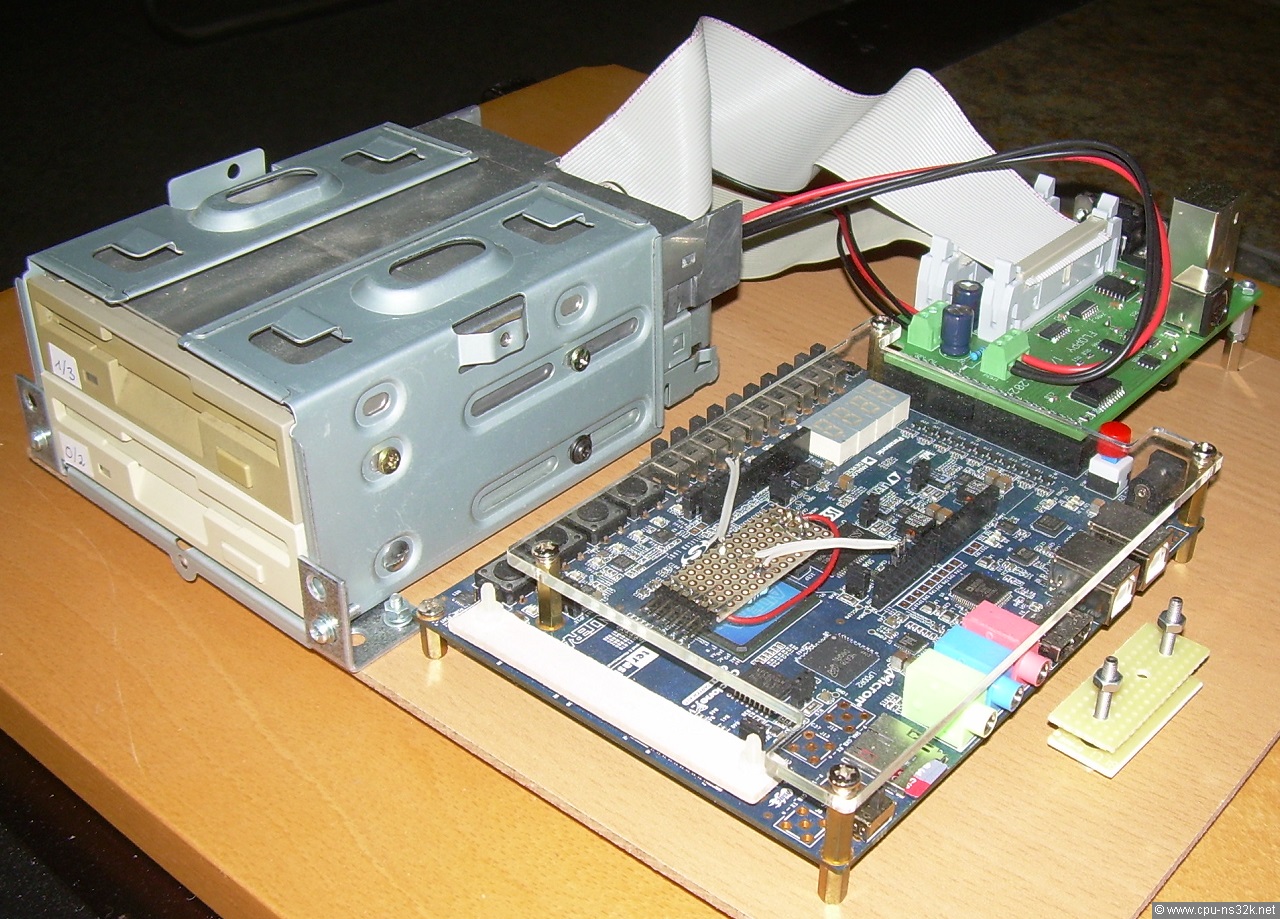
Fig. 1. The FPGA board is the Cyclone V GX Starter Kit from Terasic. The green board is my own design.
The green board contains in addition to all the connectors a RS232 level shifter, two PS2 interfaces, a RTC and the level shifter for the disk interface.
The top drive is a Teac FD-235HF. The bottom drive is from Alps. It makes more noise than the Teac. But I like the noise. At the VCFe in May 2026 the working drives were not well to hear. But at home the noise is fine 😊.
The small pcb with the holes on top of the FPGA board connects to a self made joystick. But the mechanic is not very good. For example playing Space Invaders I'm more successful when using the keyboard.
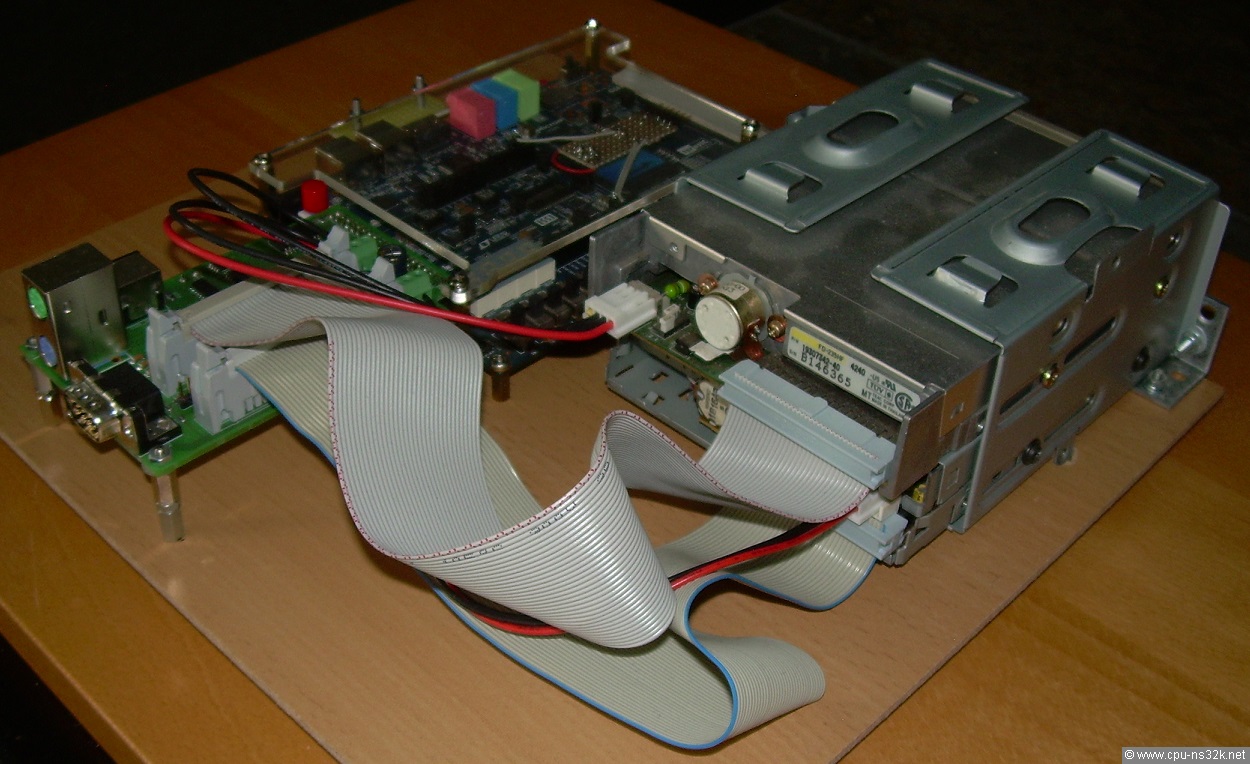
Fig. 2. Each drive has its own flat ribbon cable due to a misalignment of their 34-pin connectors.
With two identical drives I can make one flat ribbon cable for both drives. But two cables are also working fine.
Next chapter: Software/Crossassembler