AEG
In May 2018 I learned that the german company AEG had built a measurement board based on a Series 32000 processor. The board in Figure 1 was obviously an analog control board and was used in a big system in the pharma industry according to the previous owner. The name of the board could be MCU032. This is printed on the backside.
The board uses the NS32CG16 embedded CPU. Additional processing power comes from the FPU NS32081. The available memory is 320 kBytes of SRAM and 256 kBytes of EPROM. This is a lot and leds to the assumption that the board is able to work on itself. Maybe only simple messages were given to a higher level control computer.
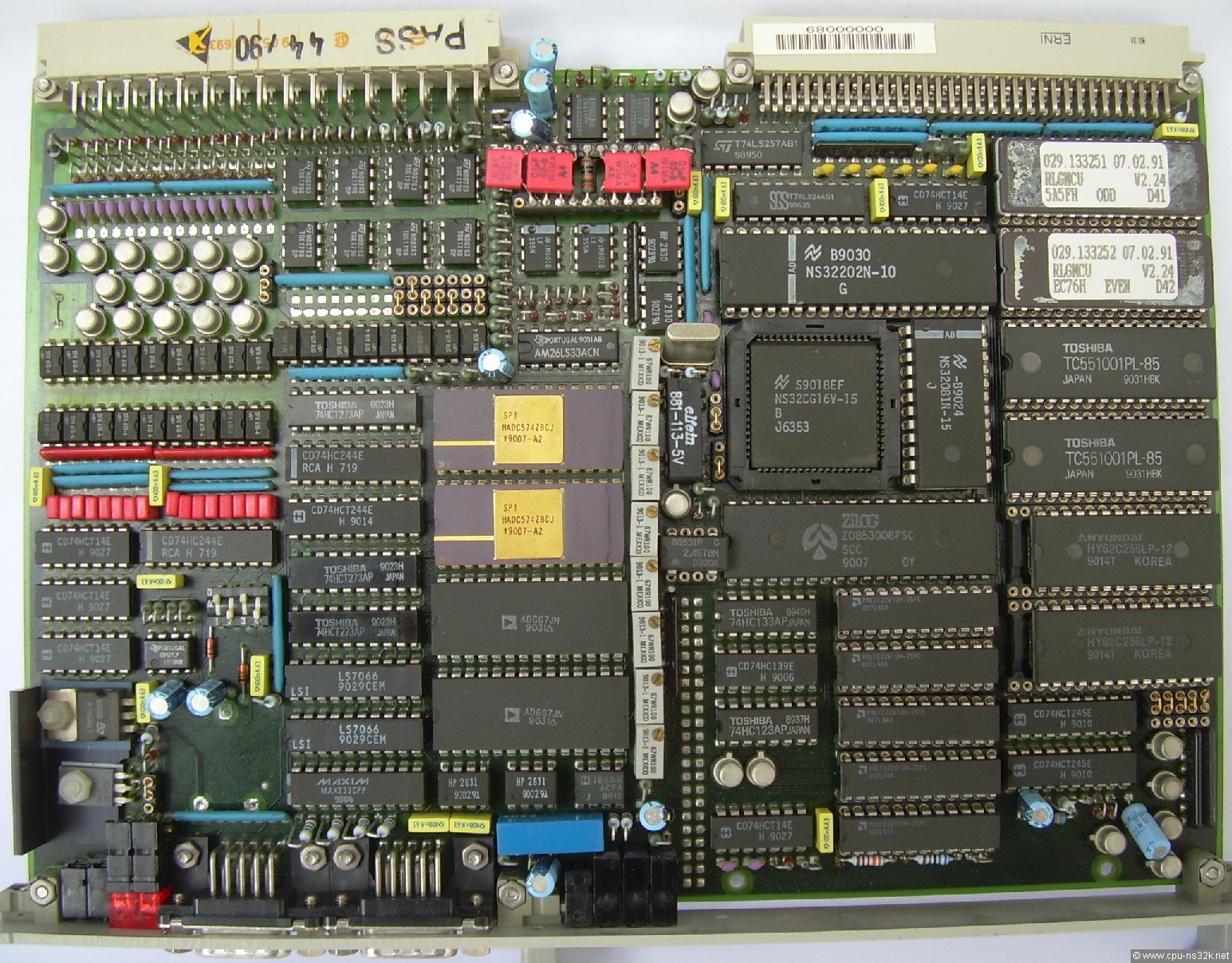
Fig. 1. The top side of the AEG board shows a clear separation between the analog (left) and digital (right) functions.
The format of the board is double Euro card. The address latches are placed below the memory chips. This is a space saving design and is found on other boards as well. In the lower right area five PALs of the type 22V10 can be seen. Together they represent many logic gates and flipflops.
The labels on the EPROMs are dated from February 1991. The EPROMs were programmed more than once due to the rest of older labels on them.
Main parts of the analog section are two 12 bit DACs from Analog Devices (AD667JN) and two 12 bit ADCs from an unknown company. The name HADC574 should mean the industry standard type ADC574.
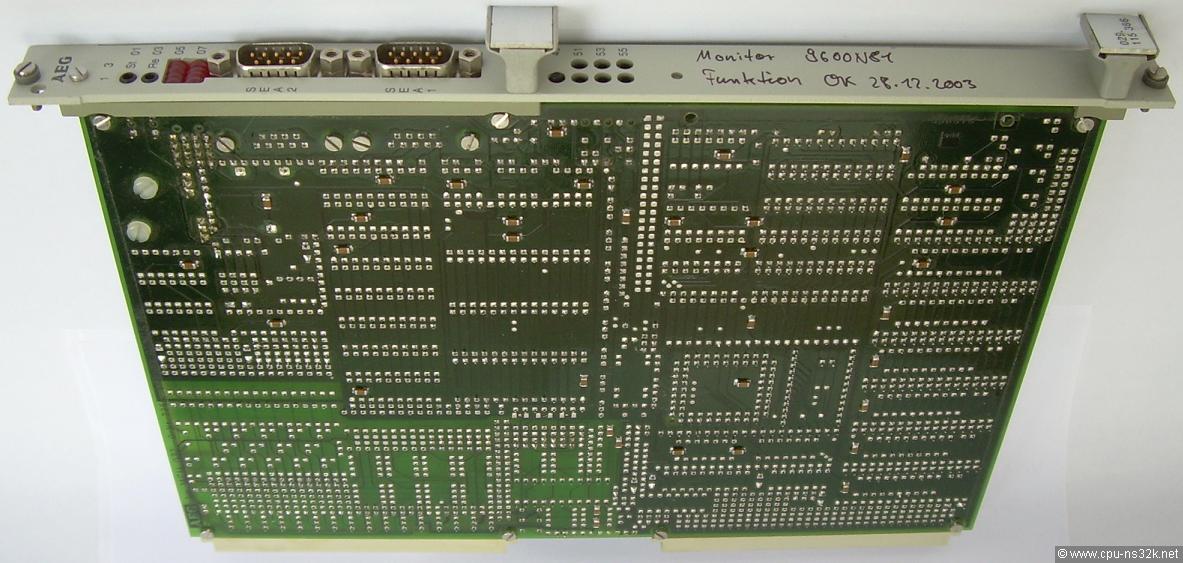
Fig. 2. The solder side of the AEG board. The notes on the front panel were made by the previous owner.
The previous owner made a test with a terminal to one of the DB9 connectors. The test was successful and he saw some text. This was a good info and I will repeat the test in the future.
It is always interesting to read the content of an EPROM if one is not able to operate the system. In this case I found the names of two programmers, see Figures 3 and 4 below.
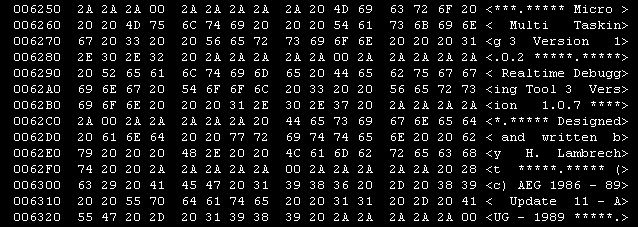
Fig. 3. Part of the EPROM content showing the name H. Lambrecht and what he (or she) had done for the system.
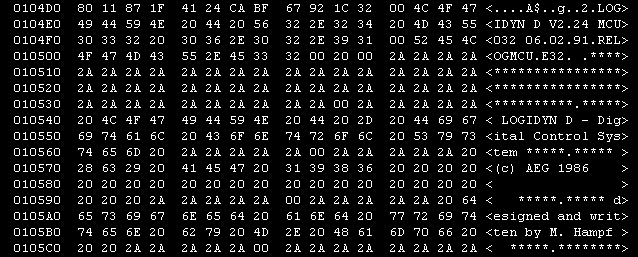
Fig. 4. A similar info for another part of the EPROM content naming M. Hampf as the programmer.
The date of the programs is 1986. At this time the NS32CG16 did not exist. Obviously there must exist a predecessor of the board based on some earlier processor of the NS32000 family. A search with the words "LOGIDYN" and "AEG" resulted in a company named AEG Industrial Engineering. They still provide a service for old industrial control systems from AEG. But they couldn't help me.
With no documentation about the hardware it will be difficult to operate the complete board. For example the DACs and ADCs need other voltages than 5 volt. But it is not impossible to reverse engineer the schematic of the board. A nice job for the retirement...
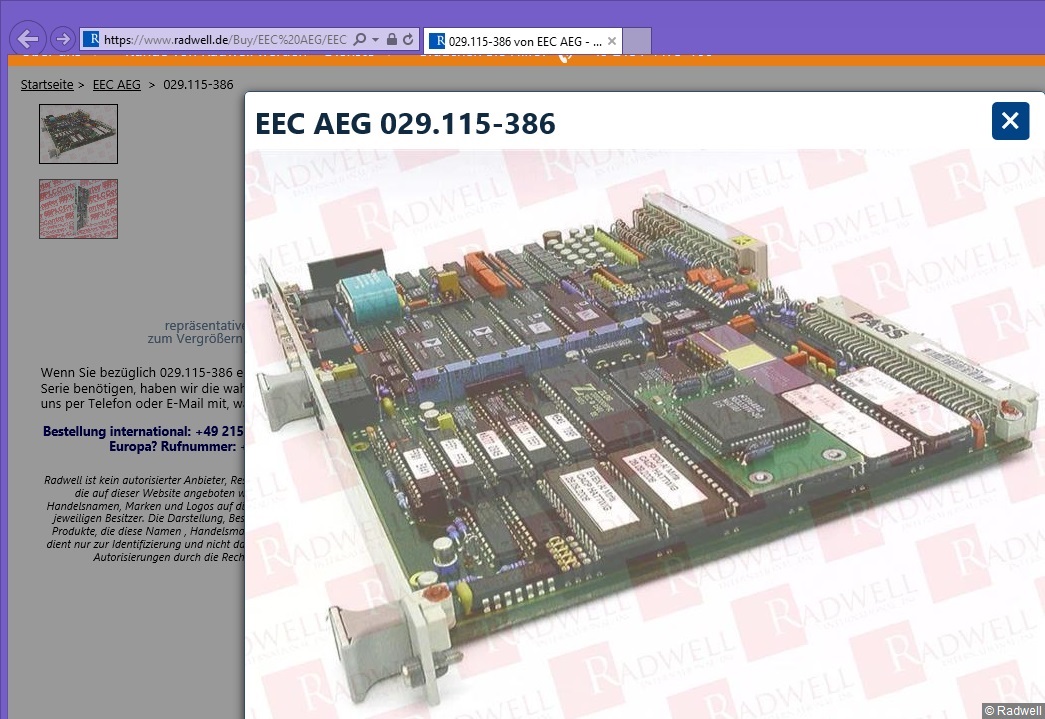
Fig. 5. Another MCU032 offered by the Company Radwell. They gave me the permission to present the photo.
Radwell sells replacement parts for industrial equipment. Obviously the MCU032 is still in use.
The board shown in Figure 5 is different from my one. First inside the socket for the NS32202 ICU is an IC in a ceramic package. It could be the original ICU from the 80's. But the lid is too big. The second difference is an add-on board placed in the socket for the NS32081 FPU. The chip on the board should be the faster FPU NS32181.
Still in use in 2026!
In December 2025 I learned that a company still uses Series 32000 based boards to control their industrial processes. This sounds similar to what I learned from Indel => Systems/Indel. But this was in 2016 and now we have 2026! Ten years later and Series 32000 is still in use again - great!
The products from AEG and Indel are remarkable similar from a hardware perspective. One example of an AEG system is the TCU032. It uses the CPU boards COP032 (Figure 6) and COP800 (Figure 10). The brochure describes the hardware, the software and show some application examples.
The systems are pretty reliable. But what they learned is that the backup batteries must be fresh, no more than 5-6 years old otherwise problems may occur. Since then the batteries are changed on a regular base.
The MCU032 is for a monoprocessor system while the following systems are for multiprocessor systems.
Still in use : CCU032
One of the AEG systems in use is the CCU032. It is based on the NS32016 CPU. A short description is available in german language here.
CCU032 is made of two boards: one is the CPU board called COP032 and the other is the IO board called CEA032. They have a common front panel. Figure 6 shows the CPU board. Figure 7 shows the IO board.
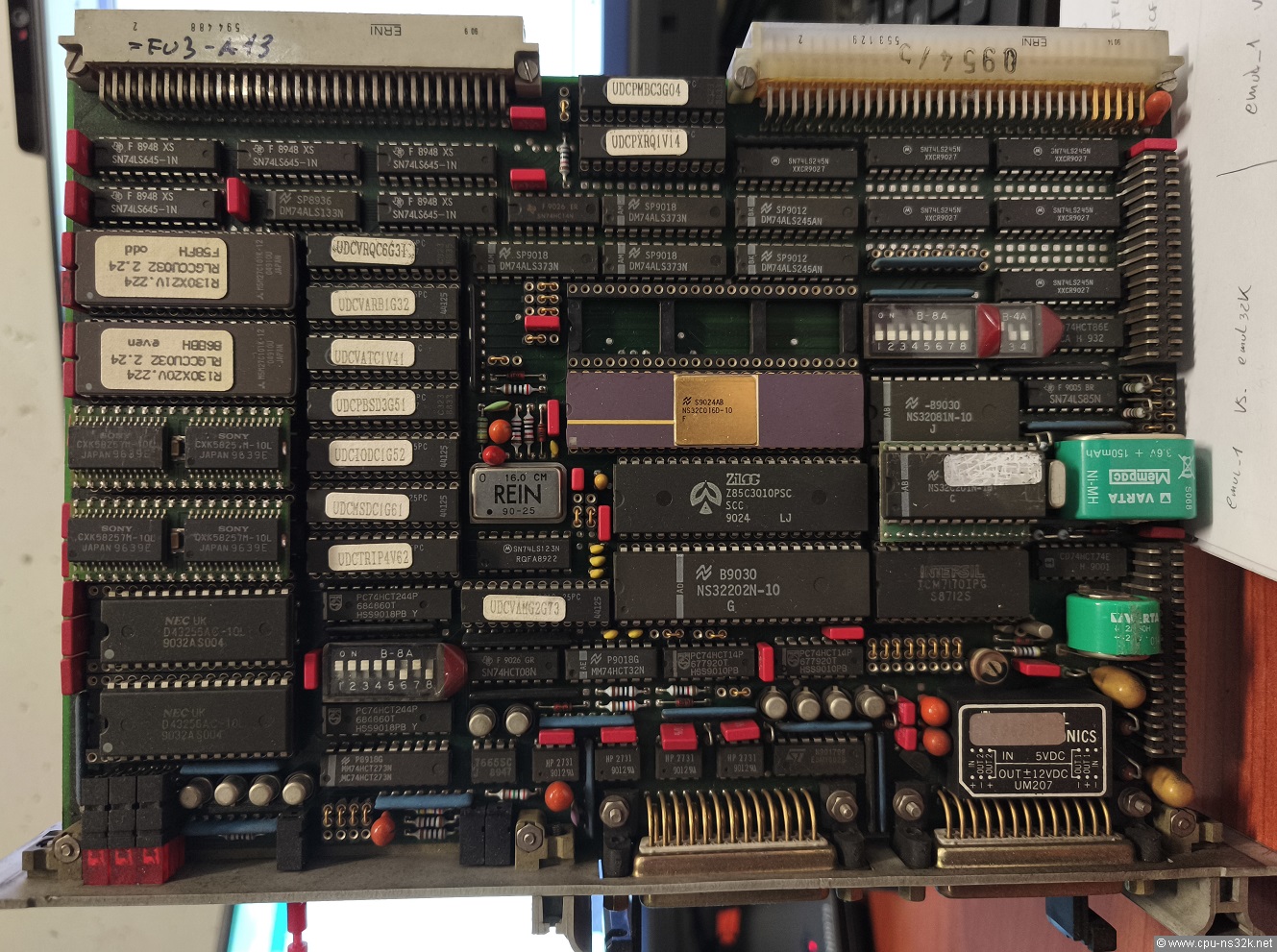
Fig. 6. The CPU board COP032 is based on the NS32016 CPU - here in its CMOS version.
The connection between the CPU board and the IO board can be seen on the right side. In total 68 pins are available. This is a lot and maybe some of them are reserved for future use - which will not happen for this generation of technology...
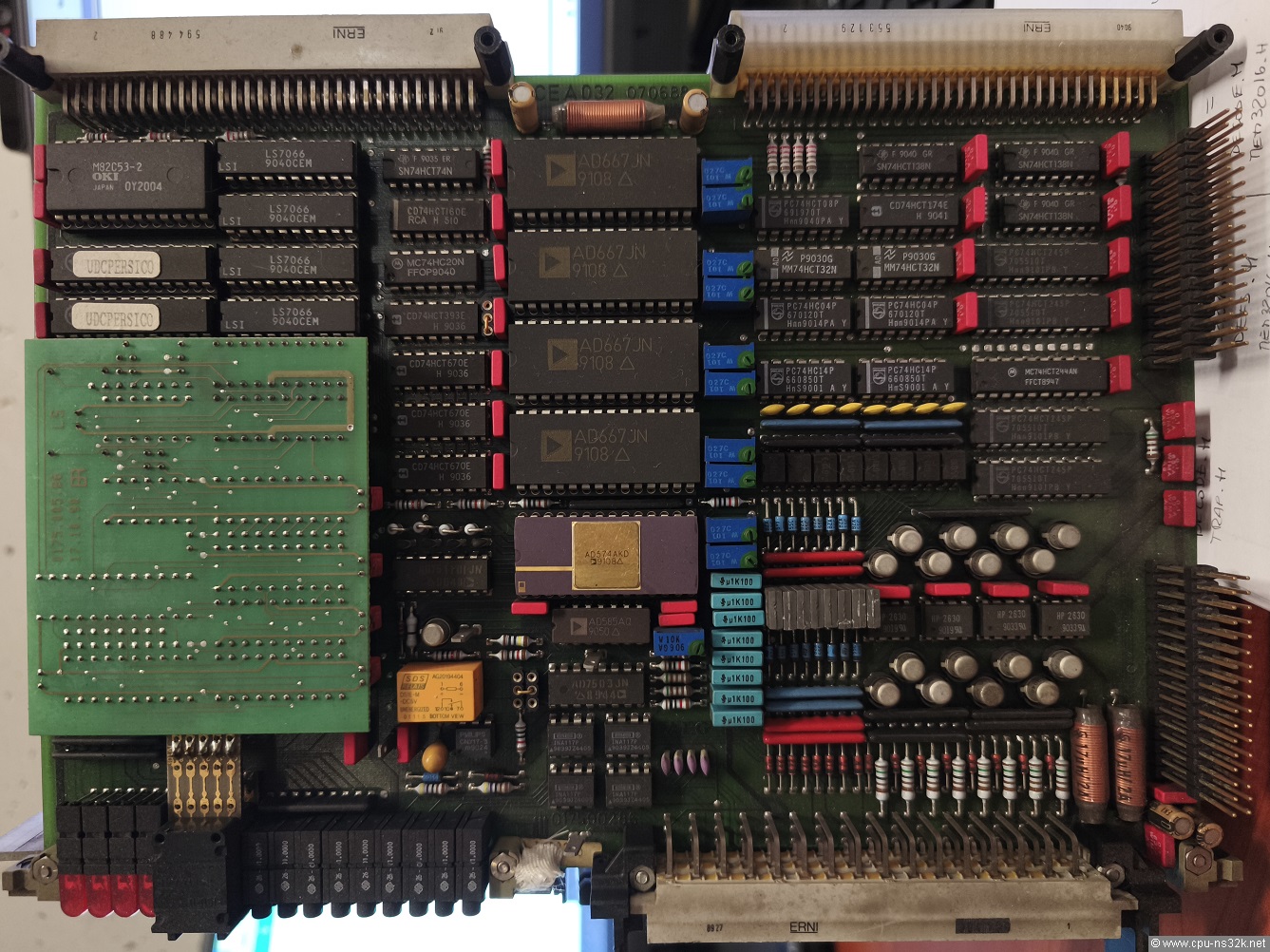
Fig. 7. The EA board CEA032 contains the A/D and D/A converter.
Still in use : CCU132
Another system in use in the mentioned company is CCU132. It uses the NS32CG16 CPU running at 15 MHz. It delivers 50% more performance than CCU032. The short description shows how similar these systems are, again in german language here.
The name of the CPU board is COP132. Whether the IO board is called CEA132 I don't know. Figure 8 shows the front panel and Figure 9 shows the COP132 in detail.
The difference between MCU032 shown in Figure 1 and CCU032/CCU132 is that the former contains the analog section together with the CPU section on one board. The compact style can be an advantage for some use cases.
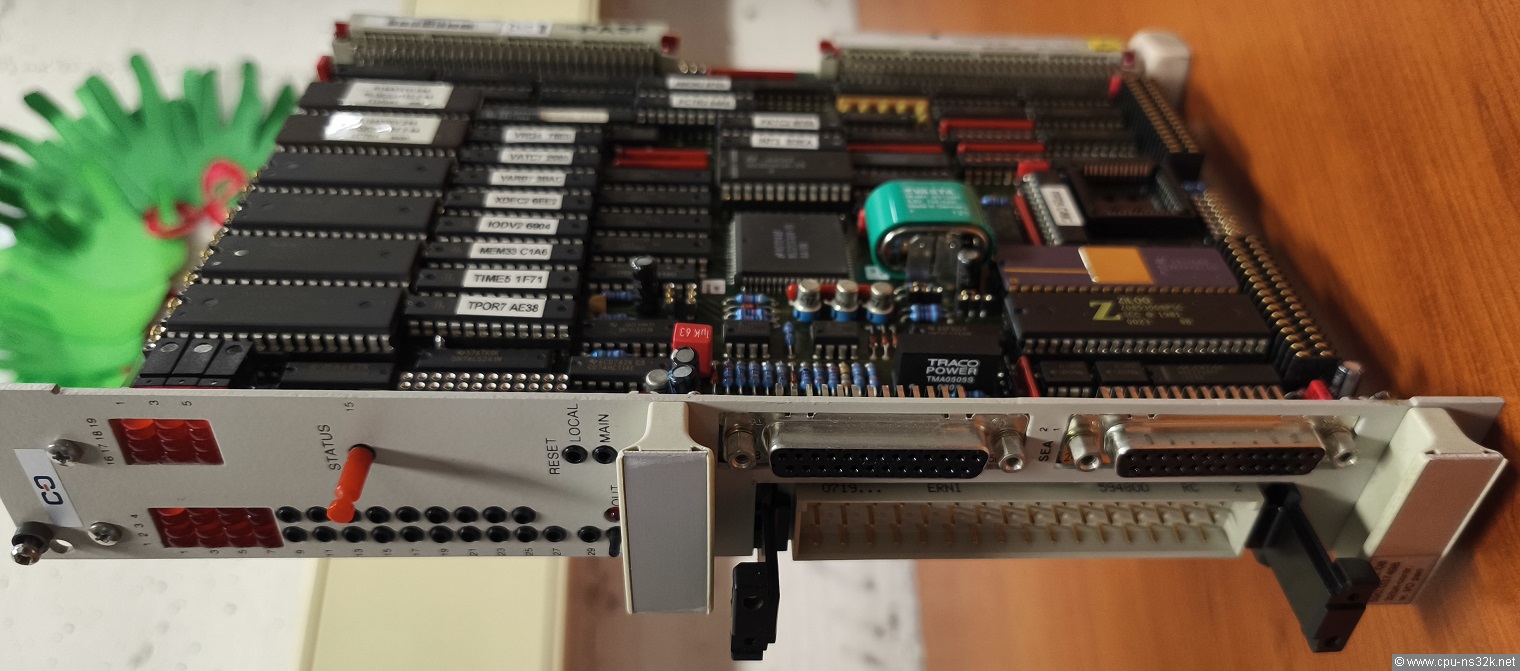
Fig. 8. The front panel has two DB25 connectors for serial interfaces. The big connector is used for the IO.
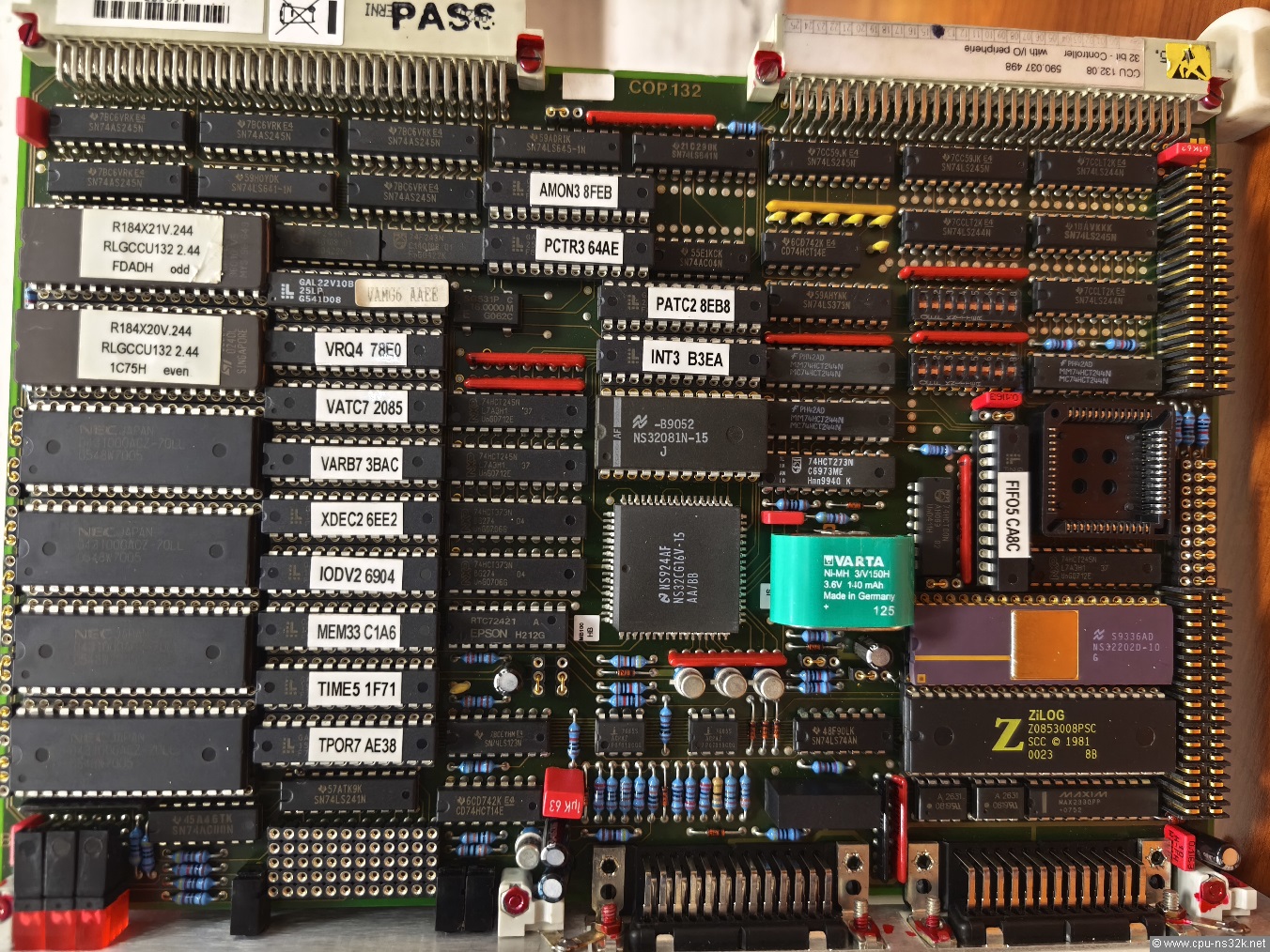
Fig. 9. The NS32CG16 CPU of COP132 is soldered to the board - for me this looks unusual.
It is astonishing that all boards shown here does not use SMD resistors. Maybe their quality was not high enough for the planned application. I assume that the designer of the boards didn't expect that they are running for 30 years in 24/7 fashion...
Not in use any more: COP800
The COP800 was mentioned in the TCU032 brochure. It doesn't use a CPU of Series 32000 but another famous processor of this era: the Transputer T800 from INMOS. Like the Series 32000 its commercial success was very limited. It is very astonishing that AEG used this processor. Maybe the project leader was a fan of Transputer and convinced his boss to use it.
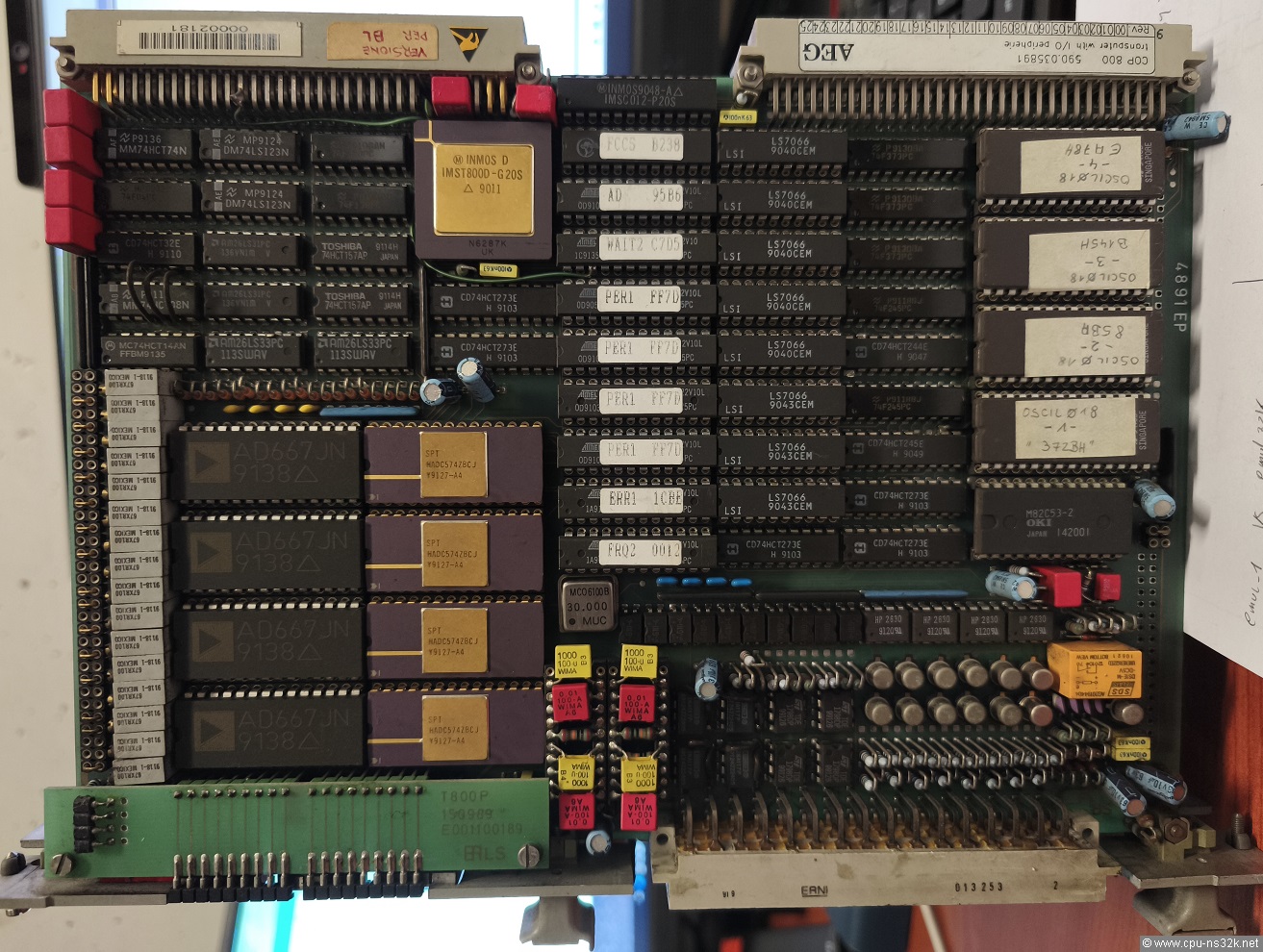
Fig. 10. This photo shows a CPU competitor of Series 32000. The company used it until a few years ago.
On the boards with an IO section a chip can be found which has an unusual name: LS7066 . This is a programmable 24 bit counter with an 8 bit data bus. Its manufacturer is LSI Computer Systems. I don't know this company. The chip is used to read encoder type sensors, which gives you the possibility to measure frequency, speed or position. Or counting beer bottles...
This chapter was last modified on 22 January 2026. Next chapter: AIS